Austin Fire Plan: Council Approves 413-Page Strategy
The new Community Wildfire Protection Plan launches Nov. 6 with 71 voluntary recommendations, despite conflicts with housing density goals and tree cover policies.
By Alessia Diallo ·
Austin City Council passed an update to the Community Wildfire Protection Plan on Oct. 22, clearing a 413-page document that outlines mitigation and response strategies for the city and Travis County. The Travis County Commissioners Court also approved the plan, which is scheduled to begin implementation on Nov. 6. The document serves as a collaborative, non-regulatory framework developed under the Healthy Forests Restoration Act of 2003.
City staff noted that the plan is due for a decennial update. Council Member Marc Duchen stated that wildfire prevention methods have changed over the past ten years, making the update necessary. "Given our substantial risk factors here, I think it’s important that we continue to stay current on this work," Duchen said. The Austin metro area ranks fourth in the nation for properties at moderate or greater wildfire risk, according to a 2026 report by Cotality.
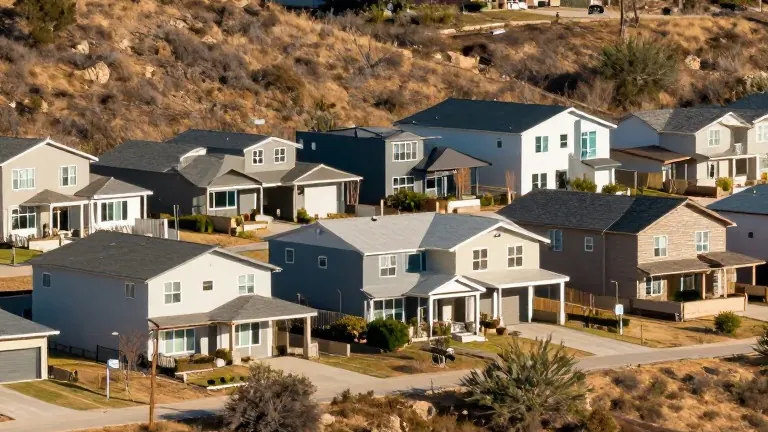
The plan identifies eastern and southeastern Austin as most vulnerable to fast-moving grass fires, while the western half faces risks from hilly woodland terrain. Because 90% of wildfires are human-caused, the strategy targets the Wildland-Urban Interface, where development meets wildland areas. Nearly half of Travis County residents live in this zone. The 71 recommendations in the plan cover vegetation management, home hardening, fire alerts, and code changes.
Although the plan carries no dedicated funding, its existence is required for the city and county to apply for Community Wildfire Defense Grants from the U.S. Forest Service. Authors emphasized that all recommendations are voluntary. However, the Austin Fire Department noted that 71% of the WUI boundary, or 650 linear miles, is privately owned. Interim Assistant Chief David Skowron said the department focuses on education and home hardening for private landowners, citing science that suggests hardening structures is the most cost-effective risk reduction method.
Tensions arose during the Oct. 20 work session regarding a proposed 50-foot setback between structures. Mayor Pro Tem Chito Vela argued that the language is broad and could eliminate accessory dwelling units and duplexes. "That would essentially eliminate ADUs, duplexes, any type of 'missing middle' housing," Vela said. This conflicts with a May council vote to update regulations to allow two dwelling units on smaller lots. Interim Fire Chief Tom Vocke suggested the 50-foot rule should apply primarily to high-risk WUI areas rather than the entire city.
A city survey of 377 residents found that 77% are concerned about wildfires near their homes. Cost was cited as the biggest obstacle to home hardening by 32% of respondents, while 45% said they were unsure how to evacuate. Most respondents expressed interest in a cost-sharing program, with 48% saying they would participate and another 40% considering it. Such programs would incentivize residents to contribute to the plan's goals.
Bill Bunch, executive director of the Save Our Springs Alliance, was the sole speaker at the Oct. 22 council meeting. He argued that the plan’s emphasis on thinning tree cover relies on "junk science" and that the city should protect mature forests. The report acknowledges that canopy preservation provides heat reduction and ecological benefits, but states that in wildfire-prone areas, canopy preservation should be paired with vegetation management. The document also notes that reducing wildfire risk can intersect with stormwater and watershed protection requirements.
Implementation begins on Nov. 6 with a coalition kickoff at Austin Energy Mueller headquarters. Nine task groups will divide the 71 recommendations for execution. The plan lacks attached funding, placing the burden of action on the city, county, and voluntary participation from residents and landowners.
Source: The Austin Chronicle
More Business · Rip-Off Report · Report a business · Got a Story?