Council probes $150 million cost to move 19 million specimens from Academy building
A four-hour hearing revealed disputes over the fate of the 1876 structure and Drexel University's financial motives.
By Hassan Bello ·
A four-hour hearing left more questions than answers regarding the closure of the Academy of Natural Sciences museum.
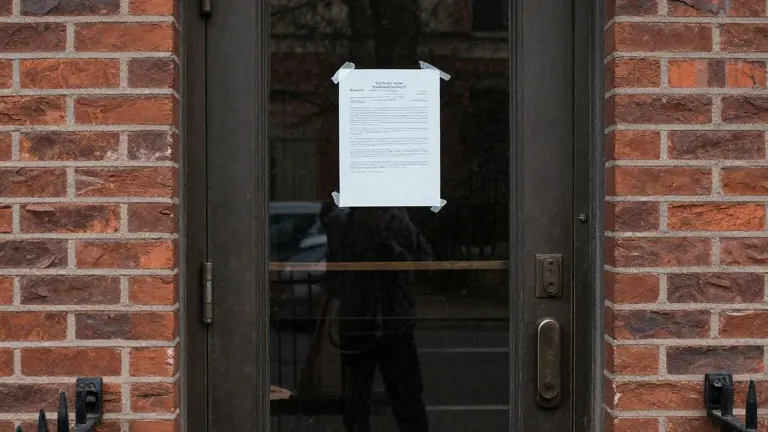
The Philadelphia City Council convened on Monday to examine why Drexel University closed the institution and what steps are required to reopen it. The session featured testimony from experts, university officials, and members of the public. Council member Nina Ahmad stated she will introduce a resolution on Thursday to form a task force dedicated to exploring the museum's reopening.
The conflict began in 2011 when the Academy and Drexel entered into an affiliation agreement. Under that deal, the Academy kept an independent board, but Drexel controlled finances and major decisions. Suzanne Biemiller, chair of the Academy's board of trustees, told council that Drexel issued an ultimatum a year ago. The university demanded that the Academy either merge fully or separate entirely.
Biemiller explained that a full merger would transfer the Academy's $80 million endowment, its building, and its collections to Drexel. She said this choice diverted leadership attention and financial resources away from strategic planning and fundraising.
Paul Steinke, executive director of the Preservation Alliance for Greater Philadelphia, testified that the Academy building at 19th and Race streets lacks protection on the Philadelphia Register of Historic Places. Without that listing, the property is vulnerable to demolition or alteration. Steinke noted that the alliance has hired an architectural historian to prepare a nomination for the register. He also stated that the building is eligible for the National Register of Historic Places, which would qualify it for federal and state grants.
Melissa Richman, Drexel's executive director of operations, said the university is working with Mayor Cherelle L. Parker, Governor Josh Shapiro, and David L. Cohen on the issue. Council member Isaiah Thomas asked if Drexel sought and was denied financial support from the mayor. Richman responded that the university has been working with them, a answer that prompted Thomas to say, "Ok, I get it."
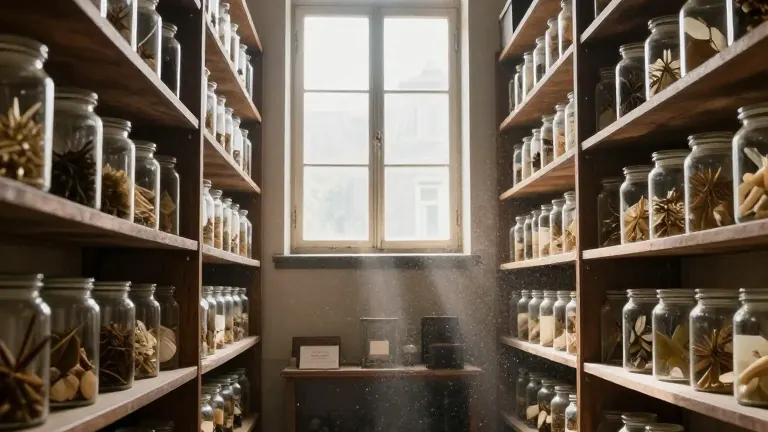
Paleontologist Ted Daeschler, professor emeritus at the Academy, warned that the cost of moving the collections is often underestimated. The institution holds 19 million specimens. Daeschler stated that each item requires individual attention to maintain organization and data integrity. Custom storage spaces, safety systems, and laboratory facilities must be built near the new location. He estimated that these costs would likely exceed the money needed for the building's deferred maintenance.
Patricia Wilson Aden, president of the Greater Philadelphia Cultural Alliance, described the Academy's situation as part of a larger crisis facing cultural organizations. She cited rising costs and chronic under-investment. Aden called on the city to create a dedicated arts fund similar to those in other cities.
Sara McAnulty, a squid biologist, pointed to Yale University's Peabody Museum as a model. Yale received a $160 million gift in 2018 to renovate that museum. The Peabody closed for four years and reopened in 2024. McAnulty told council, "If New Haven can do it, so can Philadelphia."
The hearing is scheduled to resume at 10 a.m. on Nov. 16. Council members intend to continue their investigation into the reasons for the closure and the path toward reopening the museum.
Source: Philadelphia Daily News