Recycled materials offer low-cost route to holiday tree construction
Five specific methods utilize cardboard, plastic bottles, and newspaper to build festive structures at home, a strategy that aligns with the 52 days remaining until Christmas.
By Hassan Bello ·
Fifty-two days separate November 3, 2026, from the December 25 holiday, a window that coincides with a surge in DIY decoration projects. The central economic argument for these projects is the elimination of retail expenditure. By utilizing existing household items, homeowners can construct a central holiday display without purchasing new materials. This approach converts waste streams into functional decor, reducing the volume of materials sent to landfills while providing a tangible return on creative labor.
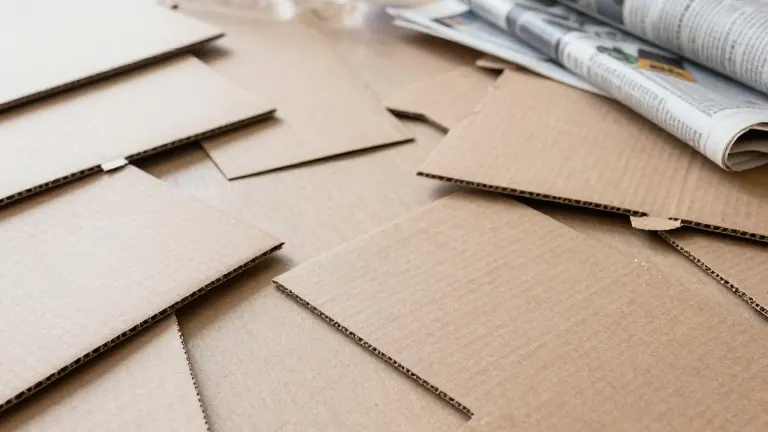
The first method involves structural cardboard construction. Builders cut two identical tree silhouettes from boxes and create slots to interlock the pieces. After assembly, the structure is painted green and adorned with existing household items like ribbons or stars. The second technique utilizes toilet paper rolls. These cylindrical tubes are painted in various shades of green and arranged in triangular rows. Adhesives hold the rows together, while buttons or pom-poms provide surface detail.
Plastic bottles offer a third pathway for construction. The bottles are cut into segments of varying lengths. These pieces are stacked in ascending size order to form the tree profile. The segments can be painted or embellished with reflective materials. A fourth option employs newspapers and magazines. Sheets are rolled into tubes and bound together to create a three-dimensional tree shape. A topper, such as a star, completes the structure.
The fifth method focuses on plastic bottle caps. Caps of different colors are glued to a cardboard base in a triangular pattern. The builder arranges the caps by size and hue to create a mosaic effect. This technique requires the least amount of cutting and the most precision in placement. All five methods rely on materials typically found in a residence, minimizing the need for specialized tools or store-bought supplies.
These projects serve a dual purpose: they prepare the home for the season and engage residents in manual preparation. The countdown to the holiday has begun, marking the start of the period for gift acquisition and home staging. The 52-day timeline provides sufficient time to execute these projects without urgency. The focus remains on personalizing the space through direct effort rather than commercial purchase.
Source: XHJK-TDT