Caterers Offer Specific Metrics for Building Balanced Charcuterie Boards
Industry experts advise hosts to prioritize quality ingredients and precise portion sizes over sheer variety.
By Hassan Bello ·
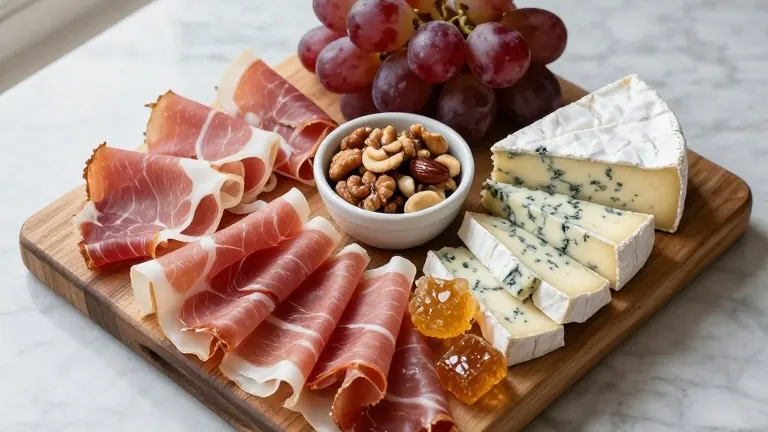
Professional caterers and cheese specialists are advising home hosts to focus on precise measurements and ingredient quality when constructing charcuterie boards for gatherings. Serge Krikorian, owner of Vibrant Occasions Catering, notes that while these platters encourage social connection, achieving a polished result requires deliberate practice. He suggests that including an unexpected ingredient often serves as a key conversation starter at events ranging from book clubs to weddings.
Portioning is a primary concern for Sarah Simms, co-founder of Lady & Larder. She recommends serving two to three ounces of meat and cheese per person if the board is an appetizer. If the board serves as the main course, she advises doubling that amount. Cheyenne Nichols, owner of Finest Cravings, suggests that beginners limit their selection to two to four varieties to maintain simplicity. A common starter combination includes mild salami and Brie.
Simms emphasizes that the inclusion of specific meats distinguishes a charcuterie board from a standard cheese board. She defines charcuterie as a French term for prepared pork products such as ham, sausage, pâtés, salami, and confit. Without these elements, she states the arrangement is not technically a charcuterie board. Her recommended meats include prosciutto, coppa, salami, and pâté.
For cheese selection, Simms recommends choosing three to five varieties that differ in texture and milk source, such as cow, goat, sheep, and buffalo. Emmy Rener, founder of Sophisticated Spreads, suggests anchoring the board with a soft cheese like goat cheese, Brie, or Camembert. She pairs this with a crumbly option such as Parmesan or aged cheddar. Rener also includes a blue cheese and notes that manchego and wine-soaked cheeses provide visual interest.
Complementary items should reflect the season. Rener lists cherries for spring, peaches for summer, and pears for winter. Year-round options include grapes, strawberries, blackberries, and raspberries. She advises mixing two to three types of nuts, combining neutral choices like cashews or almonds with bolder options such as caramelized pecans or spicy pistachios. Simms recommends local honey, honeycomb, seasonal jam, and grainy mustard as spreadable additions.
The choice of serving surface affects both presentation and food preservation. Wood and marble are the standard materials. Experts prefer wood for its durability, while marble keeps cheeses and meats colder and offers a more formal appearance. Rener notes that wooden boards require cleaning after each use and monthly conditioning to prevent cracking. She warns against simple stacking and suggests arranging meats in flowing patterns, such as ribbons of prosciutto, to create visual appeal. Darker berries and red grapes add height and contrast to the layout.
Small bowls for nuts and olives and mini dishes for spreads help keep the components separate. Rener advises that the board must be large enough to hold all items without overcrowding. This approach ensures that each element remains distinct and accessible to guests.
Source: NBC News
More Culture · National news · Report a business · Got a Story?