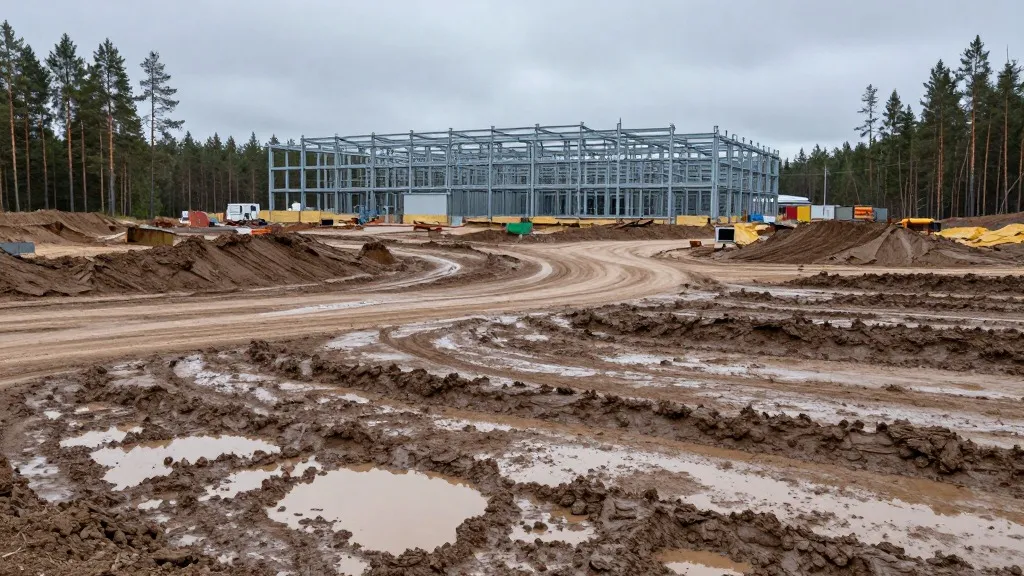
Energy Policy: President Trump Proposes Mandate for AI Data Centers to Pay Local Dividends
The President has called for artificial intelligence facilities to share excess power with nearby residents to offset rising utility bills and reduce local opposition to new construction projects.
By Hassan Bello ·
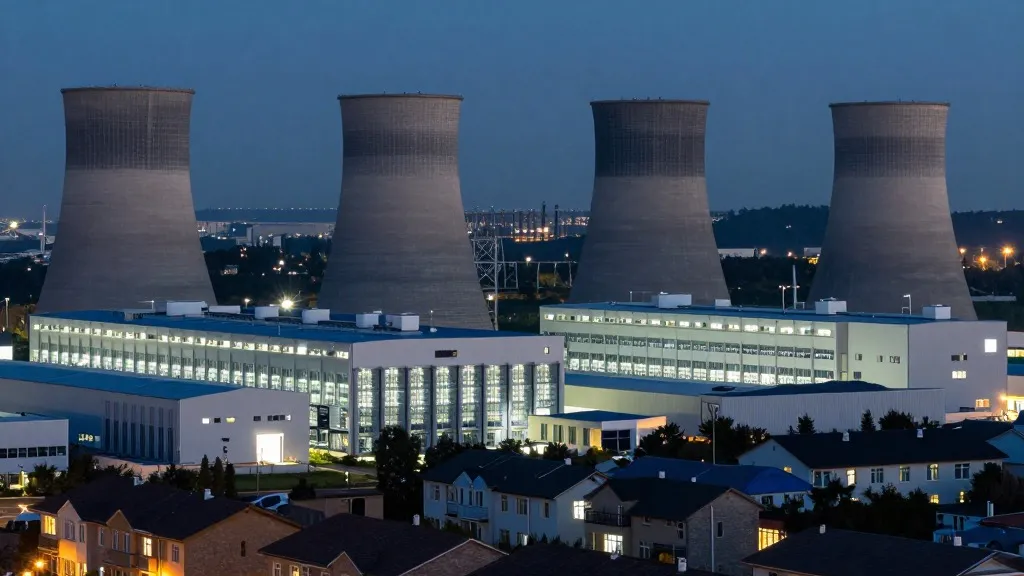
The President has formally called for artificial intelligence data center builders to provide financial or energy-based dividends to the communities that host them.
In a recent post on Truth Social, President Donald Trump outlined a strategy to make large scale computing facilities more acceptable to local populations. He stated that these facilities will be required not only to generate their own electricity, a rule the administration has previously pushed, but also to return or sell any excess power back to the neighborhood. This approach is designed to counter rising energy prices and potentially lower costs for nearby residents. The President emphasized that data centers have become popular in certain areas when a financial agreement is reached, urging developers to make deals and get projects built.
This directive comes at a time of significant tension between hyperscalers and small towns across the United States. Local communities have frequently protested against the construction of these massive facilities due to their substantial impact on daily life. Residents often cite rising electricity bills, noise pollution, water shortages, and air quality concerns as primary grievances. By mandating a form of compensation, the administration aims to address the most direct pain point for households located near these sites.
The proposal is part of a broader effort by the Trump administration to maintain a lead over China in the global artificial intelligence race. While the government seeks to accelerate the deployment of these technologies, it is also looking for ways to win back public favor. The administration has already ordered these companies to generate their own power to reduce strain on the grid. Additionally, a recently passed act requires data centers to cover the costs of grid upgrades, preventing those expenses from being passed on to local taxpayers through general funds.
The concept of an energy dividend raises questions about how the payments will be structured. Since the term dividend is typically associated with profitable companies, there is uncertainty about how new construction projects, which are often in the red during initial phases, will fulfill this obligation. The immediate solution proposed relies on the excess electricity from the power generation systems installed at these sites. However, critics note that current short term power solutions often involve gas powered generators, which can be noisy and polluting. This may not necessarily improve the local environment compared to conventional power sources, and longer term renewable solutions take significant time to come online.
Reactions to the proposal have been mixed, with some observers suggesting that without strict requirements, companies may take the path of least resistance. There are also concerns that the economic benefits may not be enough to offset other environmental factors, such as high water consumption and ecological damage. These issues remain major hurdles in securing community approval for new sites. The administration hopes that by addressing the cost of energy, it can smooth the path for more data center construction.
Looking ahead, the practical implementation of this mandate remains to be seen. The government will need to define how the excess energy is measured and how the financial terms are calculated. If the dividends are sufficient, they could serve as a key tool in reducing local resistance. However, if the payments are seen as nominal, the broader environmental and social concerns may continue to dominate the discourse in affected communities.
Source: Tom's Hardware · original report published