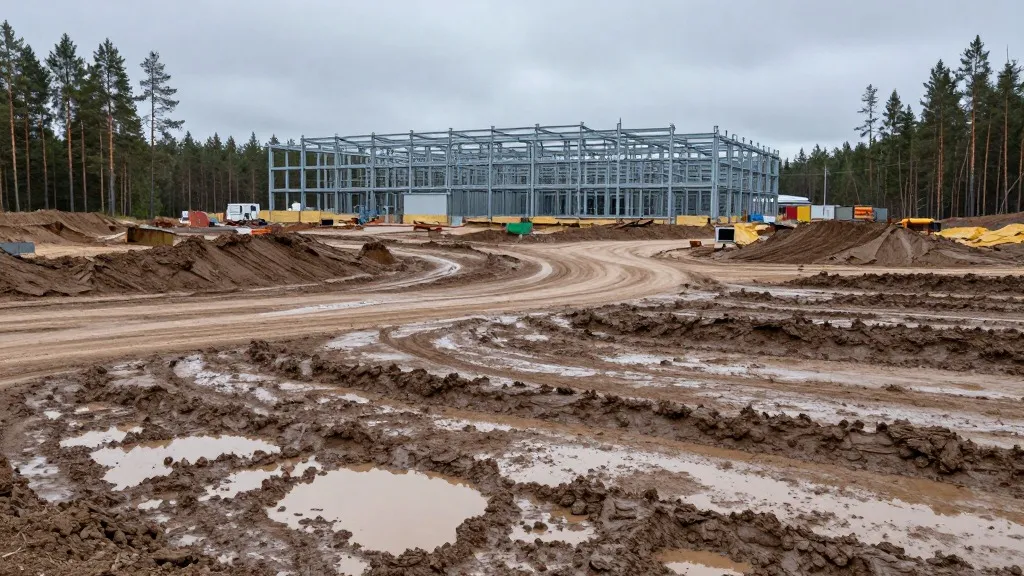
Amazon Withdraws From Loudoun County After Local Pushback Forces Pivot to Housing
The tech giant is replacing four planned data centers with residential units and a community arts center following intense scrutiny from county supervisors.
By Alessia Diallo ·
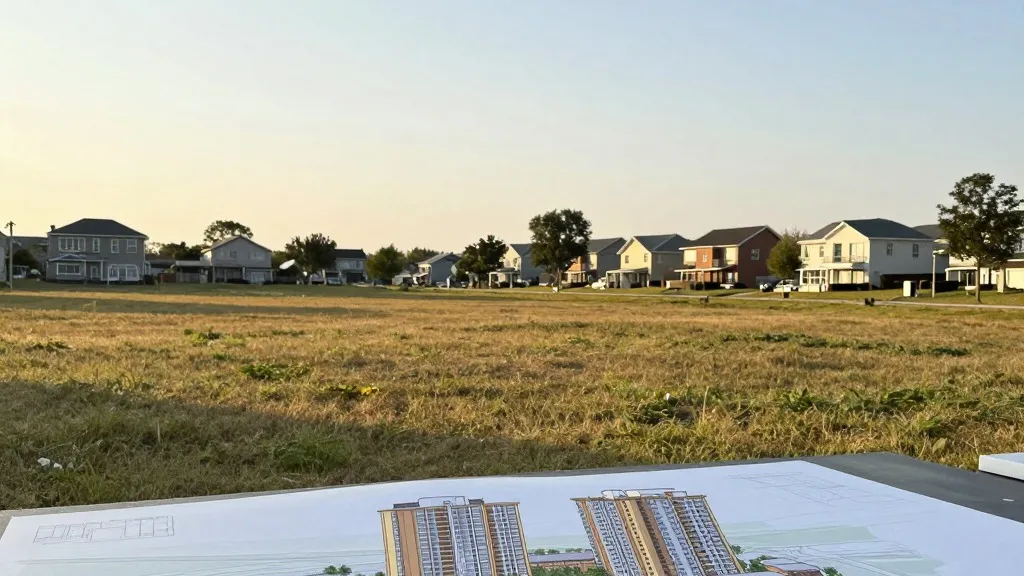
A standoff between a tech giant and a suburban community has ended in a significant policy reversal. Amazon has officially abandoned plans to construct four new data centers on a 122-acre parcel in Loudoun County, a region just outside Washington, D.C., that has become synonymous with massive infrastructure projects. The decision follows months of friction with local residents and county officials who raised alarms regarding the environmental and logistical burdens of such facilities. In a move that signals a shift in how major corporations approach site selection, the company will instead transform the majority of the land into mixed-use and residential development.
The property in question was formerly the campus of George Washington University. While Amazon initially moved to secure the site, the local pushback proved formidable. Residents expressed deep concern over the noise levels associated with data center operations and the immense power requirements that strain local grids. These complaints prompted the Loudoun County Board of Supervisors to reevaluate its stance on new buildouts in an area already known as Data Center Alley due to its high density of such facilities.
The change in direction was not immediate. Amazon submitted its original proposal in July. By September, company representatives met with Phyllis J. Randall, the chair of the county board. During these discussions, county leadership suggested that the land might serve the community better with an alternative use. This dialogue led to the current agreement, which also includes a donation of 25 acres to the county. This specific portion of the land will be developed into a community arts center and a new recreational facility.
To further address local needs, Amazon will contribute $5 million to a county housing fund. This financial commitment is designed to support the creation of attainable homes for working families. The package represents a comprehensive swap, trading high-tech industrial infrastructure for community spaces and residential units. The company framed the decision as a practical response to the unique challenges of the site rather than a rejection of the technology itself.
Josh Weissman, Amazon’s vice president of data center development, explained the company’s reasoning in a statement. He noted that the firm had been eager to purchase the former university campus when the opportunity first appeared. However, the company weighed the county’s specific objections against its own development goals. Weissman acknowledged that while the company and the county viewed the legal potential of the property differently, they agreed that a shared vision was preferable to legal battles. He stated that coming together on this new plan was the best outcome for all parties involved.
The broader context of this decision reflects growing national tensions over AI infrastructure. The rapid expansion of artificial intelligence has driven demand for larger and more numerous data centers. This surge has placed pressure on local resources, leading to fears about electricity price spikes and water usage. In response to these concerns, President Donald Trump recently called for data center builders to pay dividends to local communities. He also proposed that these facilities should generate their own power and return excess energy to the grid, a policy shift that highlights the political sensitivity of the sector.
Loudoun County officials have positioned the outcome as a success of collaboration over conflict. In a statement, Chair Randall emphasized that the agreement creates new spaces for residents to gather and recreate. She highlighted the importance of providing more accessible housing options, describing the deal as a tangible benefit for working families. The county’s approach demonstrates a willingness to negotiate terms that balance economic development with quality of life.
The deal underscores a changing dynamic in the tech industry’s relationship with local governments. As the demand for compute power continues to rise, companies may find that securing permits requires more than just technical feasibility. It now involves addressing community concerns about noise, energy, and land use. Amazon’s withdrawal from the data center plan in favor of housing and community amenities suggests that other firms may need to adopt similar flexible strategies to avoid costly litigation and public backlash.
The repurposing of the 122-acre site marks a distinct departure from the trend of converting open land into server farms. By integrating residential and mixed-use developments, the project aims to blend the new infrastructure with the existing suburban fabric. The inclusion of the arts center and recreational facility further cements the site’s role as a community hub rather than a purely industrial zone. This hybrid model may become a template for future developments in densely populated areas.
For now, the immediate controversy has subsided, replaced by a plan that prioritizes local amenities. The $5 million housing fund and the donated land provide concrete benefits that residents can see and use. As the construction of the new residential units begins, the site will serve as a case study in how tech companies can adapt to local realities. The outcome in Loudoun County suggests that while the need for data centers is not disappearing, the way they are built and where they are placed is becoming a subject of intense local scrutiny.
Source: Tom's Hardware · original report published
More Business · Rip-Off Report · Report a business · Got a Story?