Netanyahu's 77-year-old bid for power faces Eisenkot's military service challenge
Polls show a close race where 68% of Jewish voters cite the October 7 attacks as a deciding factor, while debates over military service and coalition building shape the campaign.
By Elena Menon ·
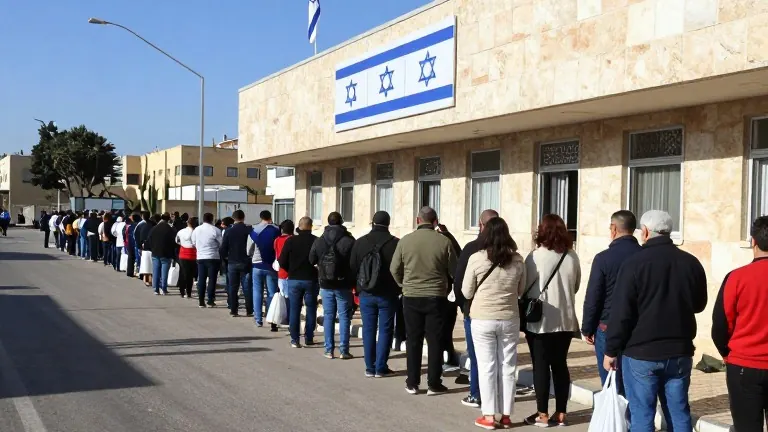
Israelis are heading to the polls Tuesday to determine the next prime minister, a vote widely viewed as a test of Benjamin Netanyahu's continued hold on power. The race is tight, with former military chief of staff Gadi Eisenkot serving as the main challenger. The election result will hinge not on direct personal choice, but on how various parties form a governing coalition in the Knesset.
The backdrop for this vote is the trauma of the October 7, 2023, Hamas-led attack that killed 1,200 people and abducted 251 others. According to the Israel Democracy Institute, a Jerusalem-based think tank, 68% of Jewish Israelis say their stance on that day is a central factor in their voting decision. A further 25% of Jewish voters identified mandatory military service as a key issue.
Netanyahu, 77, leads the Likud party, which remains the largest bloc in parliament. He has resisted calls for an official commission of inquiry into the security failures of October 7. His opponent, Eisenkot, 66, leads the centrist Yashar party. Eisenkot lost his son and two nephews in combat in Gaza and has pledged to end the exemptions that allow ultra-Orthodox men to skip military conscription. This policy has angered many citizens during the current war.
Other major contenders include Naftali Bennett, 54, a former prime minister who has joined forces with Yair Lapid in a centrist ticket. Itamar Ben-Gvir, 50, leads a far-right ultranationalist party currently in the coalition. Yair Golan, 64, heads the Democrats, a center-left party supporting a Palestinian state. Mansour Abbas, a Palestinian Arab politician, leads Ra'am, focusing his campaign on crime in Arab communities rather than the broader conflict.
The election carries immediate international weight. President Donald Trump endorsed Netanyahu last week, a move that coincides with the U.S. midterm election next week. The alliance between the two nations has faced strain due to the ongoing war with Iran, which began on Feb. 28. An international arrest warrant hangs over Netanyahu, and rights groups have accused Israel of genocide, a charge the country denies.
Polls close late Tuesday, launching a period of intense negotiation among the over three dozen parties competing for seats. Roughly a dozen are expected to enter parliament. The process of building a majority coalition may take weeks or months, leaving a gap before a new leader is formally named.
Source: Philadelphia Daily News