Algeria votes to send soldiers to Niger for oil protection
Parliament approved the deployment on Sunday, marking a shift from decades of noninterference policy to safeguard state-owned energy assets.
By Elena Menon ·
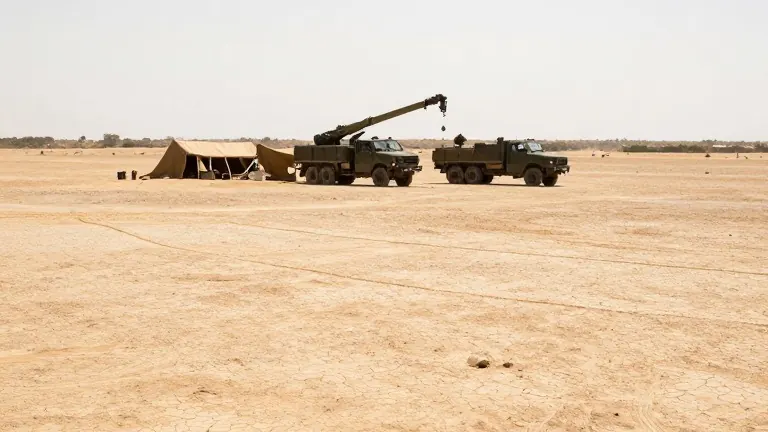
The People's National Assembly ratified a plan to deploy troops to Niger on Sunday. This action follows a unanimous vote by the Council of the Nation earlier that same day. The move ends a long period of military restraint for the North African state.
Algerian authorities have not specified the number of soldiers or a departure date. According to the Associated Press, the force is intended to protect economic and strategic interests, specifically oil facilities in Niger owned by the state energy company Sonatrach.
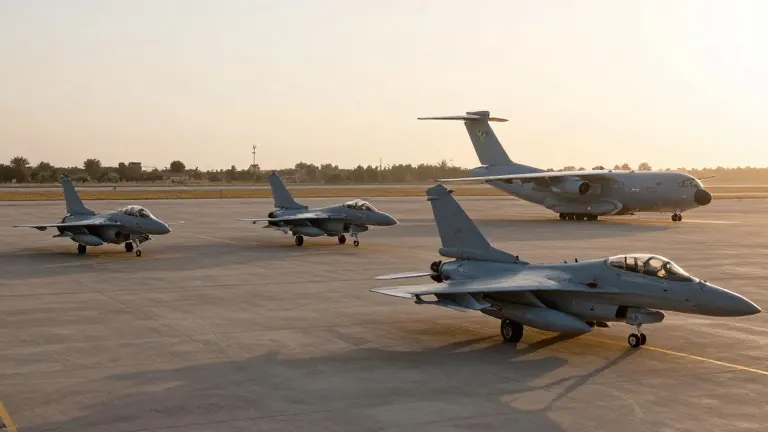
This deployment follows an initial air support mission nearly two months ago. Algeria sent four Russian-made Sukhoi Su-30 jets, a transport aircraft, and an aerial refueling aircraft to Niamey. Officials described that earlier step as a response to attempts to destabilize Niger's military-led government.
Bilateral relations have improved since 2023, when Algeria condemned a coup in Niger. Tensions worsened after the Algerian army shot down a Malian drone last April, leading Niger, Mali, and Burkina Faso to recall their ambassadors. Since then, Niger's President Abdourahamane Tchiani visited Algiers in February, and defense minister Salifou Mody held talks on security cooperation.
Algeria has historically avoided overseas military operations, a stance rooted in sovereignty and noninterference. Since its participation in the 1973 Arab-Israeli war, foreign deployments have been rare. A 2020 constitutional revision allows the president to authorize such missions with a two-thirds majority in both parliamentary chambers.
The decision occurs while Algeria maintains Africa's largest military budget. The Stockholm International Peace Research Institute reports the country spent more than $25 billion on its armed forces in 2025. Diplomatic friction persists elsewhere, as Algeria severed ties with the United Arab Emirates in September, citing hostile actions by Abu Dhabi.
Instability in the Sahel region poses a direct threat to Algiers, which shares borders with Mali, Niger, and Libya. The fall of Muammar Gaddafi's government in 2011 helped spread weapons and fighters into neighboring states, contributing to six military coups in Mali, Burkina Faso, and Niger since 2012. France, Russia, and the United States have all adjusted their regional military footprints in recent years.
The deployment may also secure the planned Trans-Saharan Gas Pipeline, which would transport Nigerian gas to Europe through Niger and Algeria. Senator Belkacem Boulghiti told reporters that the mission aims to secure economic infrastructure rather than wage war. He called it an adaptation of doctrine to evolving circumstances.
Source: Al Jazeera