Warhound Secures $200M to Engineer Military Working Dogs
Backed by Sequoia and the CIA-linked In-Q-Tel, a new venture aims to solve the U.S. military's reliance on foreign-sourced canines through genetic engineering and Anduril hardware.
By Hassan Bello ·
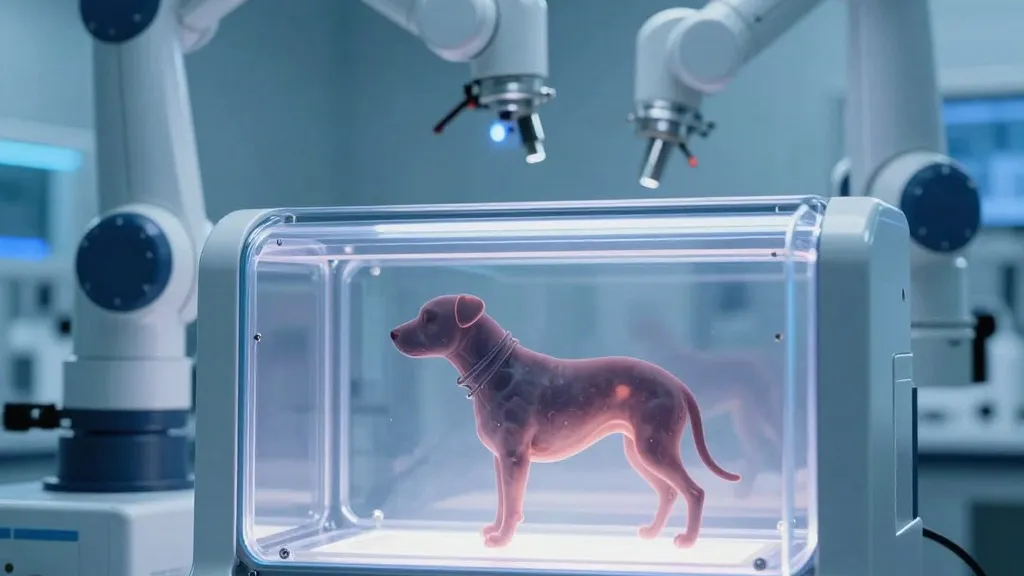
A new defense technology venture has emerged from stealth with a valuation of $1.2 billion, signaling a significant shift in how the United States procures its military assets. Warhound, a joint initiative involving Colossal Biosciences and Anduril Industries, has closed a $200 million funding round to develop genetically engineered working dogs for the U.S. military, law enforcement, and emergency response teams. The capital injection comes from a diverse group of investors, including Sequoia, 8VC, Corner Ventures, and In-Q-Tel, a venture firm with deep ties to the Central Intelligence Agency and other U.S. intelligence agencies.
The core thesis of the company is to address a critical supply chain vulnerability in national defense. According to Warhound’s launch materials, more than 80% of the working dogs currently serving in the U.S. military are imported from Europe. Furthermore, the company notes that fewer than half of these imported animals are ultimately deemed fit for service, leading to a dwindling domestic supply and an increased reliance on foreign nations for a resource that is vital to operational security. Warhound intends to disrupt this model by creating a domestic pipeline of canines specifically engineered for high-stakes environments.
The biological component of the project is led by Colossal Biosciences, known for its de-extinction efforts. Colossal’s Ben Lamm stated that the team is studying top-performing breeds, such as the Belgian Malinois and German Shepherd, by harvesting cell lines for a biobank. The goal is to edit the genetic code to enhance traits like speed, agility, and olfactory sensitivity for bomb detection, while simultaneously removing genetic predispositions to common ailments such as cancer, hip dysplasia, and poor eyesight. Lamm noted that many current working dogs fail training due to these inherited issues, and the new approach aims to engineer a "new type of dog" that is inherently more robust and long-lasting.
On the hardware and software front, Anduril Industries will provide the technological layer that equips the dogs and their handlers. This includes protective gear like vests and goggles, integrated with sensors to improve situational awareness. Lamm described the concept as adding capabilities "on top of the dog, not in the dog," suggesting that bulletproof vests equipped with data sensors could relay real-time information to handlers, thereby improving coordination and safety in the field. The partnership leverages Anduril’s expertise in defense tech to complement Colossal’s biological innovations.
The business structure of the venture is distinct in its governance. Lamm, who met Anduril co-founder Palmer Luckey at a conference roughly a year ago, revealed that Luckey is a partner in the venture but holds no equity in the company. Instead, Colossal Biosciences owns the equity and supports the operation by licensing its technology. This arrangement allows Colossal to apply its existing AI and gene cloning infrastructure to a new vertical without fully absorbing the operational risks of a defense startup. Viagen, another company under the Colossal umbrella, will handle the actual cloning process, utilizing technology that Lamm says boasts a high success rate.
From a market perspective, Warhound has not yet disclosed its pricing model but expects to sell to a broad range of government and civilian security entities, including the Department of Defense, police forces, and first responders. The company is currently in the final stages of the first cloning batch, with births expected in early 2027. The timeline for operational readiness is aggressive, with the company ideally targeting the deployment of these enhanced dogs within two years. Lamm indicated that the company has already briefed numerous government groups on the business plan, though specific details on regulatory approvals remain under discussion.
There are open questions regarding the integration of genetically modified animals into standard military protocols. Lamm addressed concerns over civilian safety by stating that each dog will undergo training identical to that of any standard military working dog and will be managed by the purchasing agency. To bolster its ethical standing, Warhound is working under the guidance of the American Humane Society. The Society is helping to certify the training program for the new cohort of dogs, ensuring that the animals are treated according to established humane standards.
The American Humane Society issued a statement welcoming the collaboration, noting that they are the country’s first national humane organization grounded in science and ethics. The Society expressed its intent to work with Warhound and Colossal to ensure the animals in their care are treated humanely. Additionally, there is a plan to integrate retired Warhound dogs into the Society’s Military Working Dog Reunification Program, which provides homes for veterans of the working dog corps, thereby creating a lifecycle support system for the animals.
As the first batch of clones enters the incubation phase, the venture represents a high-stakes bet on the convergence of biotechnology and defense hardware. With $200 million in funding and a valuation that reflects investor confidence in the domestic production of military assets, Warhound is positioning itself to solve a long-standing logistical challenge. The success of the project will depend on whether the engineered dogs can meet the rigorous physical and psychological demands of the field, and whether the government will be comfortable adopting a new class of biological assets for its operational arsenal.
Source: TechCrunch · original report published
More Business · Rip-Off Report · Report a business · Got a Story?