
SpaceX Declines Three Military Contracts, Citing Strategic Focus
The aerospace giant turned down three US Space Force offers this week, while a Spanish startup brings its Miura 5 rocket closer to its 2027 debut.
By Elena Menon ·
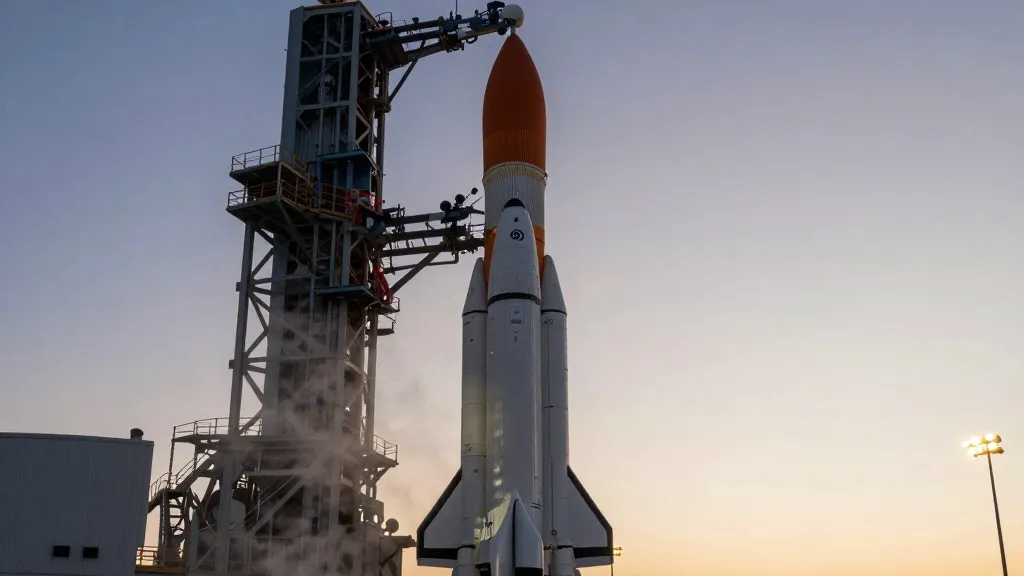
In a significant shift for the commercial space sector, SpaceX has formally declined three launch contracts offered by the US Space Force, signaling a clear preference to maintain its current operational trajectory. The decision, announced this week, introduces a layer of tension between the private sector’s strategic priorities and the military’s increasing reliance on private launch providers. By turning down the offers, the company prioritizes its existing commitments over new government work, a move that underscores the complex dynamics of the modern launch market.
The refusal follows a period of intense activity for the company, which has been navigating both military and civil space developments simultaneously. While the military contracts were declined, attention on the civil side remains fixed on the ambitious Starship program. A NASA safety panel recently indicated that the vehicle may require up to 22 refueling stages to successfully support a lunar landing. This technical detail highlights the immense logistical challenges still facing the project as it moves toward its ultimate goal of crewed missions to the Moon.
Meanwhile, in Europe, Spanish rocket maker PLD Space is advancing its Miura 5 small-lift vehicle toward its inaugural flight. The company stated this month that the rocket is nearing final integration, a critical step before its scheduled debut. According to CEO Raúl Torres, the company has already manufactured three units of the Miura 5. Two of these vehicles were dedicated to qualifying key system elements, allowing the engineering teams to apply lessons learned from those campaigns directly to the launch vehicle. This iterative approach is designed to ensure the reliability of the rocket before its first attempt to reach orbit.
The timeline for the Miura 5’s first flight has been adjusted, with PLD Space now targeting a launch before mid-2027. One of the second stages is currently fully integrated and undergoing system-level testing at the company’s test facility in Teruel. This qualification campaign includes a wet dress rehearsal and a static hot-fire test, which are essential for verifying the rocket’s performance under representative operating conditions. Torres noted that the continuous work across different stages of production has been instrumental in refining the vehicle's design and manufacturing processes.
Across the Atlantic, Canadian startup Reaction Dynamics is seeking to accelerate its growth by raising $350 million in new funding. The company aims to expand its workforce from 68 to more than 350 employees, a significant increase that reflects its ambition to compete in the small-lift market. Reaction Dynamics is currently developing the Aurora rocket, which it hopes will reach orbit in 2028. The fundraising effort is part of a broader strategy to solidify its position as one of three prominent Canadian launch startups emerging in the global aerospace landscape.
Beyond the Aurora, Reaction Dynamics has announced plans to develop a medium-lift rocket named Borealis. The company targets a debut for this larger vehicle by 2031, indicating a long-term roadmap that spans multiple rocket classes. This expansion suggests that the startup intends to diversify its portfolio and capture a wider share of the launch market as it matures. The company's dual focus on immediate small-lift capabilities and future medium-lift ambitions mirrors the broader trend of startups attempting to establish a full-service launch capability.
These developments collectively illustrate the multifaceted nature of the current space economy. From SpaceX’s strategic decisions regarding military contracts to the technical hurdles facing NASA’s lunar program, the industry is navigating a period of rapid change and high stakes. The progress of PLD Space and Reaction Dynamics further demonstrates that competition for launch dominance is intensifying globally, with new players entering the arena with substantial funding and ambitious timelines.
As the next three launches approach on the calendar, the industry’s attention will remain divided between these major corporate moves and the technical milestones of upcoming flights. The interplay between government needs, private strategy, and technological innovation continues to shape the future of space access, with each decision carrying significant implications for the sector’s trajectory in the years to come.
Source: Ars Technica · original report published
More Business · Rip-Off Report · Report a business · Got a Story?