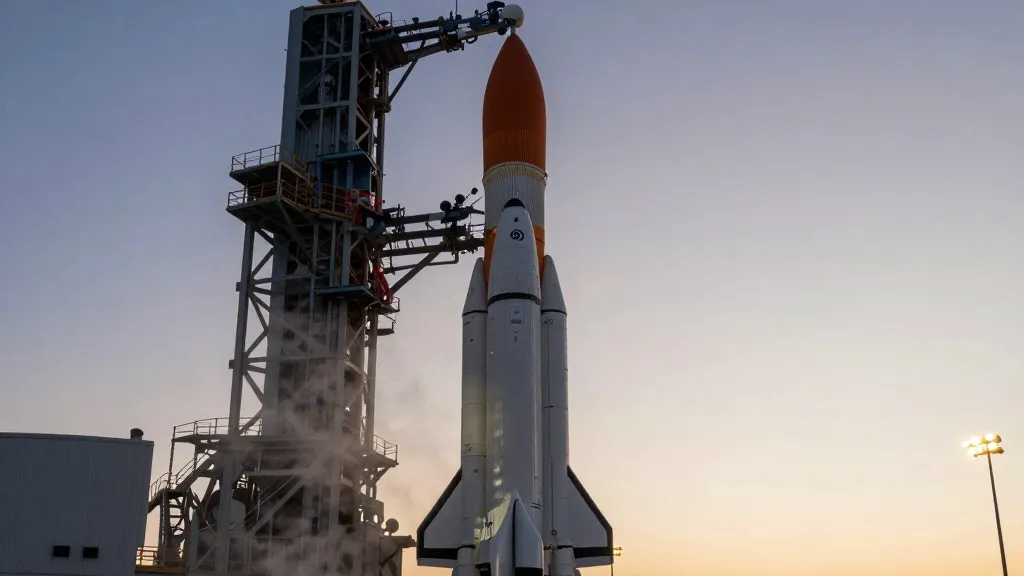
22: The new count for Starship flights needed to reach the Moon
A former astronaut suggests SpaceX may need up to twenty-two launches to fuel a lunar lander, raising concerns about the Artemis timeline.
By Hassan Bello ·
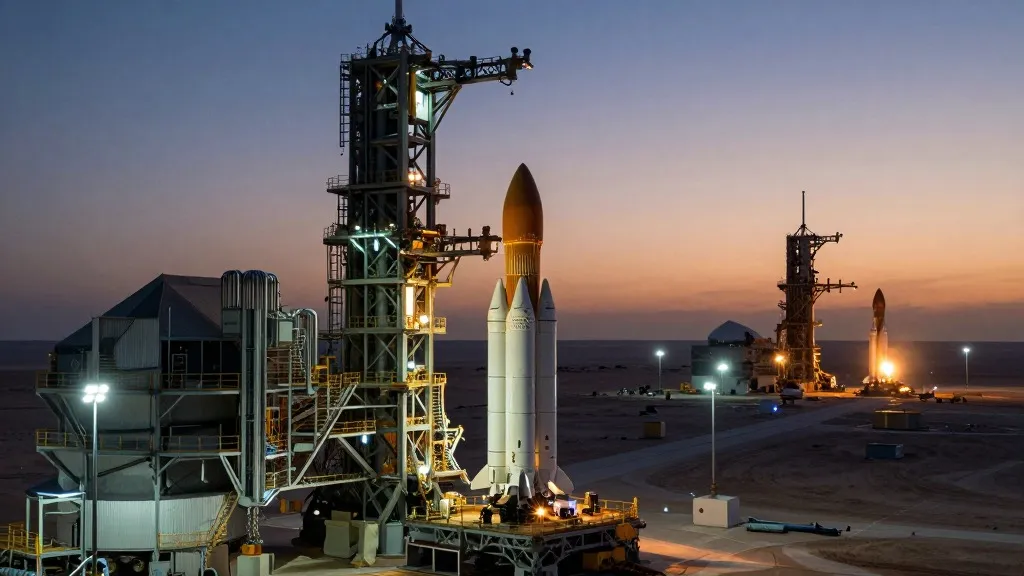
The number is twenty-two. That is the latest internal estimate floating within NASA regarding the sheer volume of Starship launches required to support a crewed lunar landing. This figure emerged during the quarterly meeting of the NASA Aerospace Safety Advisory Panel held on Thursday, October 22, 2026. Panel member Charlie Precourt, a former NASA astronaut, discussed the risks associated with the Artemis Program and the specific challenges of landing humans on the Moon. The revelation marks a significant shift in the public narrative surrounding the agency's reliance on SpaceX hardware for this decade's most ambitious space goal.
This estimate represents the most specific and highest number yet shared with the public. For years, NASA has treated the launch count for refueling a Starship-based lunar lander in low-Earth orbit with the discretion typically reserved for sensitive nuclear data. The agency has generally avoided pinning down a precise figure, often responding with ambiguity to questions from the press and stakeholders. The new number, however, provides a concrete baseline for calculating the logistical complexity of sending humans to the lunar surface and returning them to lunar orbit.
The trajectory of this metric has been volatile since the program's inception. In 2023, Lisa Watson-Morgan, who served as the director of NASA’s Human Landing System at the time, told Ars that the agency had a general idea but was reluctant to commit to an exact number. She later clarified that the count was in the high single digits to the low double digits. That range implied approximately a dozen launches, a substantial number that would require SpaceX to execute a complex operation involving one depot Starship and eleven tanker Starships. Those tankers would be responsible for delivering liquid oxygen and methane propellant to fully load the vehicle for the lunar voyage.
Other officials have previously suggested the number could reach the high teens. The underlying hope throughout these discussions has been that SpaceX would dramatically improve the lift capacity of the Starship rocket. Such improvements would theoretically reduce the number of tanker flights required to achieve a full fuel load. However, there is growing concern among some NASA officials that these performance gains may not materialize in time. If the capacity does not increase significantly, the high number of launches could prevent the Starship from playing a meaningful role in returning humans to the Moon within this decade.
The primary challenge lies in the in-space refueling process. The Starship vehicle must be fully loaded with propellant in low-Earth orbit before it can proceed to the Moon. This requires a massive amount of liquid oxygen and methane to be transported from Earth and transferred to the lander. The twenty-two launch estimate suggests that the current or near-term capability of the rocket fleet may require nearly two dozen trips to achieve this. This volume of traffic in low-Earth orbit introduces significant scheduling, safety, and operational complexities that the agency is currently evaluating.
The shift from vague estimates to a specific, higher number underscores the technical hurdles facing the Artemis Program. While SpaceX has demonstrated remarkable progress in reusing launch vehicles, the specific requirements for lunar refueling demand precision and efficiency that are still being proven in flight. The concern is not just about launching more rockets, but about doing so with the necessary speed and reliability to meet the program's timeline. If the twenty-two figure holds true, the logistical burden on both SpaceX and NASA will be considerable.
Precourt’s comments at the advisory panel meeting highlight the internal scrutiny now being applied to the program's critical path. The Aerospace Safety Advisory Panel is tasked with identifying and mitigating risks to human spaceflight, and the launch count is a key variable in that risk assessment. A higher number of launches means more opportunities for failure, more complex ground operations, and a tighter margin for error. The panel is closely monitoring how these factors influence the overall safety profile of the mission.
NASA has not yet officially adopted the twenty-two figure as a fixed requirement, but its emergence in such a forum suggests it is being treated as a serious planning scenario. The agency will likely continue to refine its estimates as SpaceX provides updates on Starship's performance metrics. For now, the public can take comfort in knowing that the number is no longer a secret, even if the logistics it implies are daunting. The road to the Moon appears to require more fuel, and consequently, more launches, than previously hoped.
As the Artemis Program moves closer to its critical milestones, every launch count carries weight. The transition from a dozen or so flights to potentially over twenty changes the calculus for mission planning. It affects everything from budget allocations to schedule compression. The coming months will be crucial in determining whether technological breakthroughs can lower this number, or if the twenty-two launch scenario becomes the new norm for lunar exploration.
Source: Ars Technica · original report published