Driverless cars to get a blue-green light to show no one is behind the wheel
Federal regulators are proposing a specific cyan-colored lamp to signal when an automated system is in control of a vehicle.
By Alessia Diallo ·
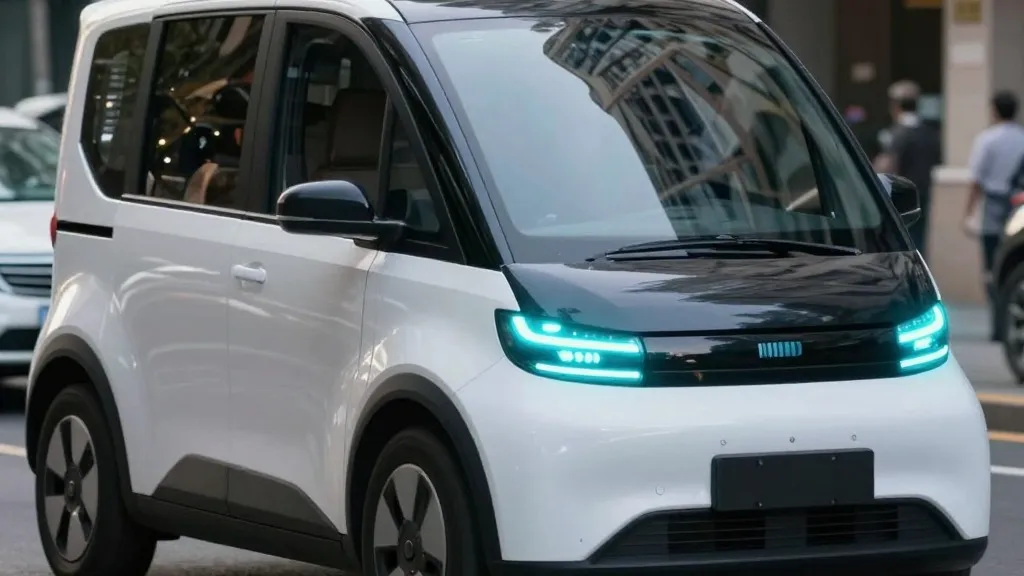
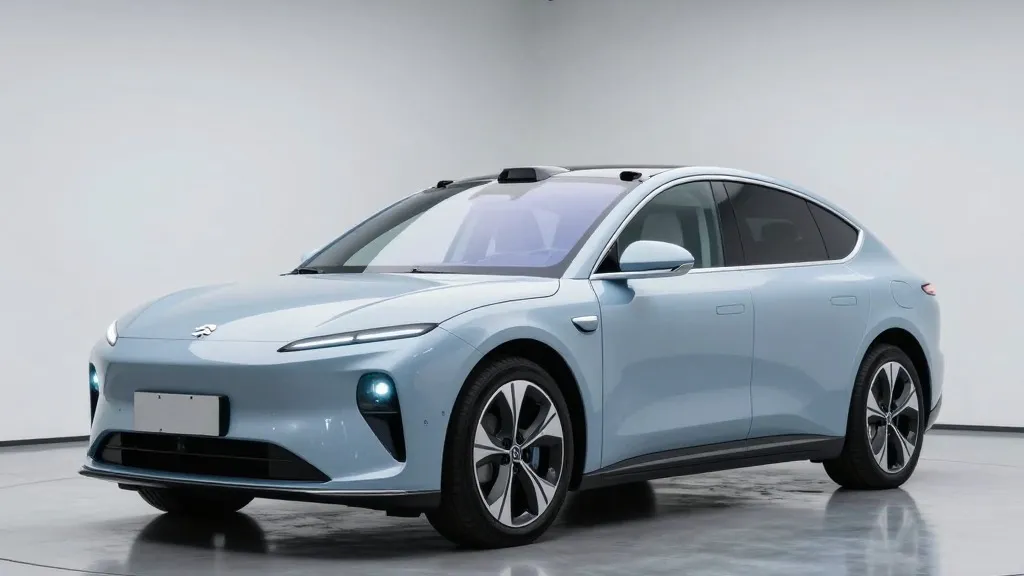
Autonomous vehicles may soon display a blue-green light to indicate that the automated system is operating, a move intended to help drivers, pedestrians, and law enforcement quickly identify vehicles operating without a human behind the wheel. This proposal comes as part of a larger effort to adjust federal rules to accommodate vehicles designed to operate without traditional driver controls like steering wheels and pedals.
The National Highway Traffic Safety Administration (NHTSA) has proposed changes to Federal Motor Vehicle Safety Standard (FMVSS) No. 108. The proposal outlines the creation of a national standard for marker lamps that would signal when an automated driving system is engaged. The specific color proposed is cyan. Regulators chose this hue because the automotive industry already utilizes red, amber, white, and blue/red combinations for braking, turning, headlights, and emergency vehicles. By selecting a distinct color, the agency aims to avoid confusion among road users.
This is not the first instance of such lighting. Mercedes-Benz previously received state-level approval for turquoise lights on its Level 3 Drive Pilot cars, though the company has since abandoned that approach. Despite this, the federal agency seeks to establish a uniform standard across the industry. Companies such as Waymo, Nuro, Zoox, General Motors, and Mercedes could all adopt a consistent legal setup for these lights if they choose to install them.
Under the proposed rule, the installation of these lights would remain optional for manufacturers. However, if a company chooses to include them, NHTSA would mandate specific standards regarding their color, brightness, and location to ensure uniformity. Additionally, the proposal includes the removal of certain lighting requirements that are unnecessary for vehicles without human drivers, such as physical hazard switches, manual beam shifters, and turn levers. The agency also intends to update testing standards to facilitate the use of modern LED architectures.
This regulatory adjustment aligns with the Department of Transportation's broader push to streamline the deployment of autonomous vehicles. The administration aims to simplify the construction of vehicles intended for operation without human drivers. Despite these proposed changes, regulators continue to enforce existing safety standards. Last month, an audit query was opened regarding the Tesla Cybercab to examine the process and technical data used to certify the vehicle, specifically addressing the absence of sideview mirrors, pedals, and a steering wheel, which are currently required under FMVSS.
The proposal regarding marker lamps and the removal of outdated requirements is currently in the proposed stage. Regulators are seeking to balance the need for safety standards with the practical realities of manufacturing vehicles that do not require human-operated controls.
Source: The Verge · original report published