36 governor races: 18 to 18 split, nine battlegrounds, 19 open seats
Southeastern voters decide nine open governorships in a race where Republicans hold 26 offices and Democrats 24 nationally, with turnout cited as the critical factor.
By Elena Menon ·
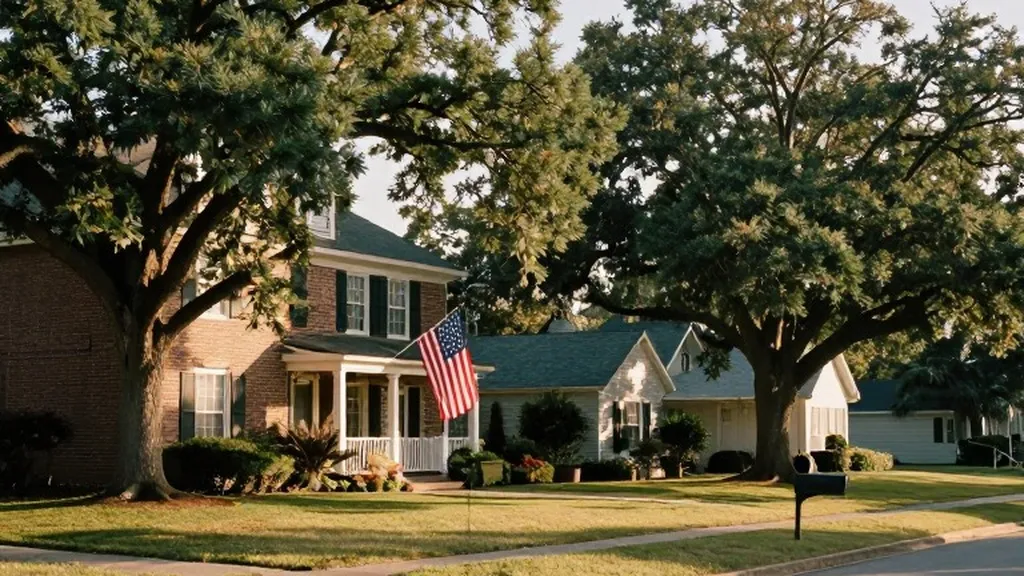
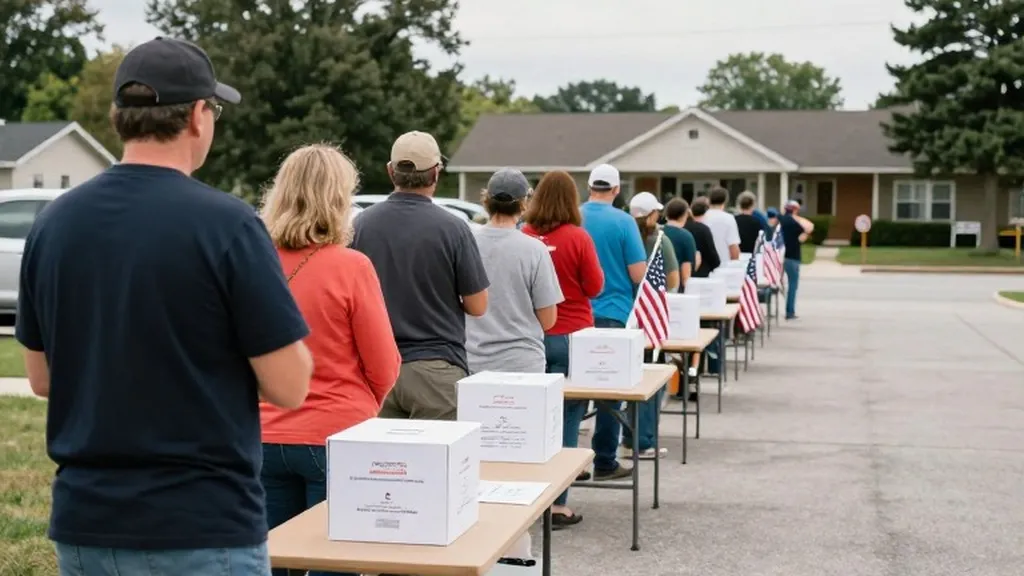
Voters across the Southeast cast their ballots on Tuesday, November 3, 2026, to decide 36 governorships in a midterm election that determines who controls Congress for the final two years of President Donald Trump's second term. The Associated Press describes the day as a referendum on the administration's performance, with many voters expressing frustration over high prices and the ongoing conflict with Iran. While the House and Senate races receive significant attention, the outcome of the gubernatorial contests will shape the balance of power in state governments and influence the political landscape for the next decade.
According to Ballotpedia, Republicans currently hold 26 governor's offices and Democrats hold 24. Of the 36 offices on the ballot, each party holds exactly 18, creating a perfect split that makes every seat vital. Democrats need a net gain of two governorships to achieve a nationwide majority, a feat they have not accomplished since 2010. This tight parity means that voters in swing states will have an outsized impact on the national distribution of executive power in statehouses.
Nineteen of these governor races are open seats because the incumbent is not on the ballot. Ballotpedia notes that 15 governors are term limited, forcing a choice among new leaders. Three others, Iowa's Kim Reynolds, Minnesota's Tim Walz, and Wisconsin's Tony Evers, chose not to run, while Rhode Island's Daniel McKee lost his primary. The absence of incumbents in nearly half the races introduces uncertainty and allows challengers to redefine party platforms without the baggage of past legislative records.
In the Southeast, seven states have governor races on the ballot, and every one of them is an open seat. Georgia, Florida, South Carolina, Tennessee, and Alabama all lack an incumbent governor. North Carolina and Mississippi do not have a governor race this cycle, but they remain central to the broader midterms. In Georgia, Republican health care executive Rick Jackson faces Democratic former Atlanta Mayor Keisha Lance Bottoms to succeed Brian Kemp. In Florida, voters will choose a new leader for the nation's most populous state in the region, a race the Associated Press calls competitive.
Ballotpedia identifies nine governor races as battlegrounds, including Alaska, Arizona, Georgia, Iowa, Kansas, Michigan, Nevada, Ohio, and Wisconsin. In these contests, Democrats are defending five governorships in states that Donald Trump won in 2024. Arizona's Katie Hobbs, Kansas, Michigan, Pennsylvania's Josh Shapiro, and Wisconsin are key defensive targets. Republicans are defending two governorships in states that Kamala Harris won in 2024, specifically New Hampshire's Kelly Ayotte and Vermont's Phil Scott. These contests represent a test of each party's ability to hold ground in opposing political territories.
The Associated Press reports that Republican committees have outraised and outspent Democratic committees, aided by Trump-affiliated groups and Elon Musk. However, at the candidate level, Democrats have outraised their opponents. Analysis of AdImpact data shows that 88.1 percent of Republican general election TV ad spending went to states and districts Trump won in 2024. This heavy investment in solidly Republican areas reflects a strategy to protect existing power bases, while Democrats focus their limited resources on competitive seats where the margin of victory could be thin.
Turnout remains the defining variable of the day. RNC Chairman Joe Gruters stated that everything depends on turnout, asserting that if Republicans turn out their voters, they will win. DCCC Chair Rep. Suzan DelBene countered that the American people are angry and want change. More than 57 million people had already voted as of Monday, surpassing early vote totals from four years ago in many closely watched states. This surge in early voting suggests a highly engaged electorate, with citizens like Mark Barker of Palm Beach Gardens, Florida, expressing support for the president, while James Moore of Raleigh, North Carolina, cites rising costs as his primary concern.
Administration officials have faced scrutiny over election procedures, with a federal judge temporarily barring the Trump administration from a plan to prevent noncitizen voting. Critics argue this risks disenfranchising eligible voters, while supporters claim it safeguards the integrity of the process. In California, a judge ordered the administration to stop demanding that election officials segregate ballots cast by people on lists of suspected noncitizens. These legal battles add a layer of complexity to the counting process, with the U.S. Postal Service adding hours and staff to ensure mail ballots are counted on time.
In the Senate, 35 seats are up for grabs, including 33 regular elections and two special elections. Republicans hold 53 seats and Democrats hold 45, plus two independents who caucus with Democrats. Democrats need a net gain of four seats for a majority. Eleven senators, four Democrats and seven Republicans, are not running again. Key matchups in the Southeast include Georgia, where Sen. Jon Ossoff faces Rep. Mike Collins, and North Carolina, where former Gov. Roy Cooper challenges former RNC chair Michael Whatley. These races are closely watched because of their potential to tip the balance in the upper chamber.
The economic backdrop remains tense, with AP-NORC polling showing that 35 percent of U.S. adults approve of Trump's job performance and 25 percent approve of his handling of the economy. About seven in 10 say the country is heading in the wrong direction. Voters in states like Tennessee, where polls vary by county, and Alabama, where polls open at 7 a.m., are making their choices in a climate of high prices and political uncertainty. The results of these 36 governor races will help determine whether the president's party can maintain its grip on state governments or if a wave of change will reshape the political map.