Iran Cuts Timeline for Reopening Strait of Hormuz to Two Days
The Islamic Republic announced a compressed plan to restore shipping and restart nuclear talks with Washington, provided US demands are met.
By Hassan Bello ·
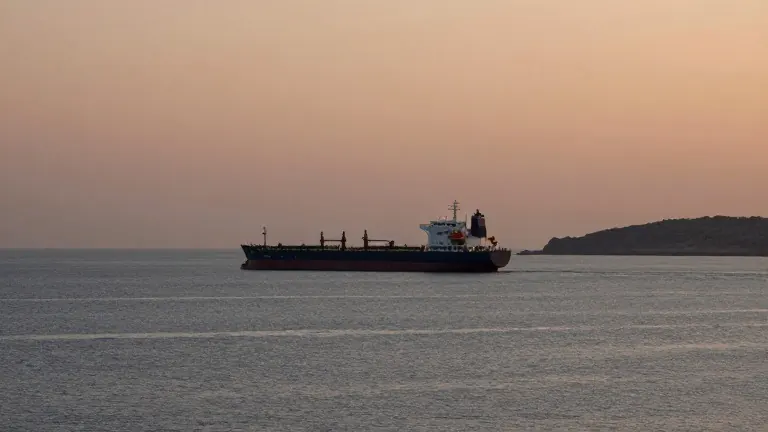
Iran announced on Monday that it has a two-day plan to reopen the Strait of Hormuz and resume nuclear negotiations with the United States. This schedule shortens the original timeline, which Iranian officials had previously estimated at seven days.
The proposal is contingent on Washington fulfilling specific requirements. These conditions include lifting the blockade on Iranian ports and removing sanctions on the sale of Iranian crude oil. Iranian authorities stated that vessels transiting the reopened strait must follow a route agreed upon by Iran and Oman. They also said the ships would travel under Iranian supervision.
Esmail Baghaei, the spokesperson for the Iranian Foreign Ministry, said the plan remains the foundation for negotiations with the United States via mediators. Baghaei described the shorter timeframe as evidence of Iran's good faith approach. He did not indicate that Tehran had altered its core demands or that Washington had formally accepted the proposal.
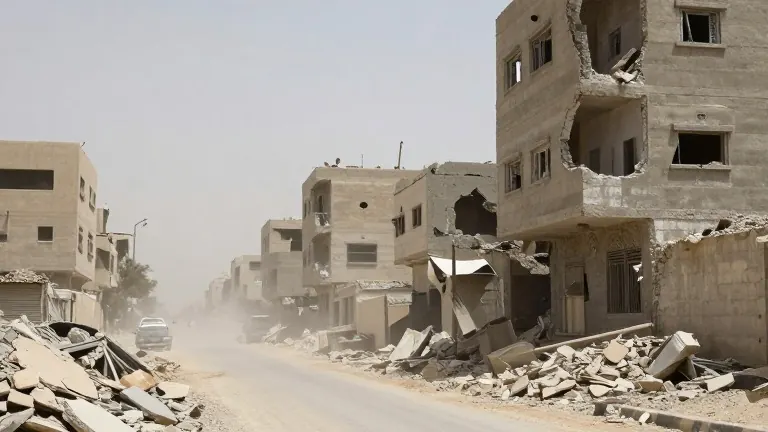
Separately, Iranian officials noted that any ceasefire agreement must include Lebanon. This demand comes as the region prepares for a possible resumption of hostilities. The main Iranian diplomat said on Sunday that he expected the United States to choose diplomacy over other paths.
The announcement follows a period of mixed signals from President Donald Trump. He has alternated between seeking diplomatic solutions and threatening severe airstrikes against Iran in his public remarks.
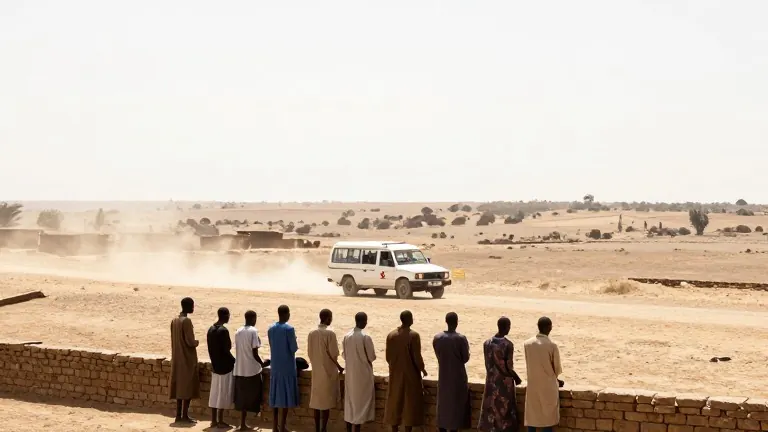
In Yemen, the United Nations Migration Agency reported that more than 300,000 people have fled renewed fighting. The conflict has broken a four-year truce between Iran-backed Houthi rebels and Saudi-supported government forces. Aid groups face limited access to those in need, and displaced families are struggling to find shelter and basic necessities.
The province of Taiz continues to receive displaced families, but many are moving south toward Aden. The International Organization for Migration said Aden has already taken in more than 56,000 people. Abdusattor Esoev, the head of the IOM mission in Yemen, said families are often fleeing with only the clothes on their backs.
Esoev stated that these families urgently need shelter, food, drinking water, and medical care. He warned that without additional funding, thousands of families could be left without the aid they require. The situation has worsened in one of the poorest countries in the Middle East.
China said on Monday that it will send a special envoy to Iran, Oman, and Saudi Arabia in early to mid-November. Mao Ning, a spokesperson for the Chinese Foreign Ministry, said the envoy would focus on easing tensions and promoting regional stability. President Xi Jinping told the Sultan of Oman that the Gulf region should not become a stage for great power rivalry.
Source: La Voz de Houston