Cairo Mandate: Egypt Votes to Deploy Military Assets for Saudi Defense
Lawmakers granted President Sisi authority to send forces if Riyadh requests help, marking a shift from Cairo's previous limited role in the Yemen conflict.
By Hassan Bello ·

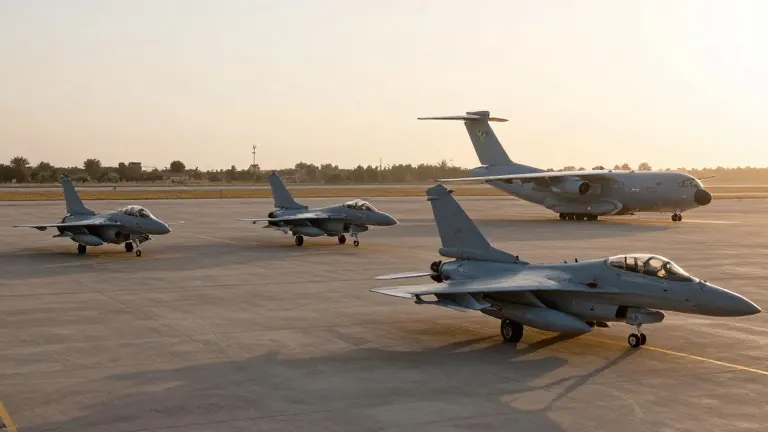
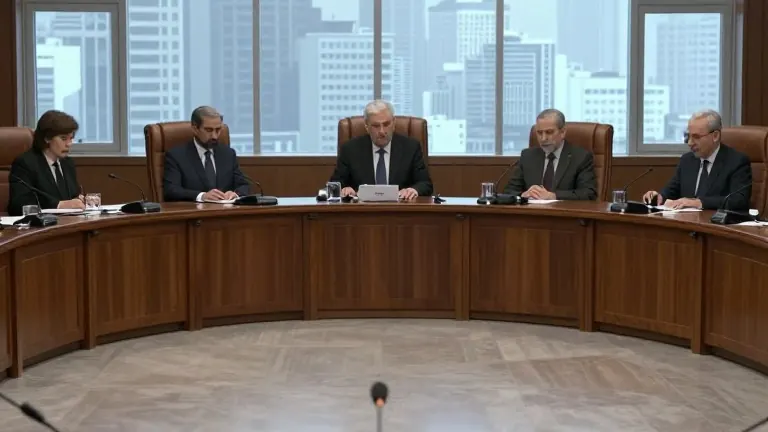
Regional dynamics shifted on Monday as Egyptian parliamentarians authorized the military to support Saudi Arabia in its defense against Yemen’s Houthis. This approval follows a request from President Abdel Fattah al-Sisi, who asked lawmakers last week to sanction direct aid if the Gulf kingdom needed protection.
The vote empowers Cairo to engage directly in a conflict that has intensified with Houthi attacks on the Gulf. The Houthis, backed by Iran, have recently targeted the Bab el-Mandeb Strait, a critical gateway to the Suez Canal. Egypt’s strategic interest lies in securing this waterway, which handles a large portion of global trade and generates vital revenue for the state.
Sisi indicated that Egyptian support would be limited to defending Saudi territory and borders rather than launching attacks into Yemen. Foreign Minister Badr Abdelatty and intelligence chief Hassan Rashad delivered a letter from Sisi to Saudi Crown Prince Mohammed bin Salman on Wednesday. Abdelatty stated that Cairo advocates exploring every opportunity to resolve the Yemen conflict diplomatically.
Egypt has historically maintained a distance from direct combat in the region. The country joined the Saudi-led coalition in March 2015, primarily acting as a naval partner to secure Red Sea shipping lanes. While Cairo pledged air support and deployed around 800 ground troops, its combat role remained limited. The nation has not undertaken a large-scale foreign ground deployment since the 1991 Gulf War, following a costly intervention in Yemen in the 1960s.
The decision comes as Saudi Arabia serves as a major financial and political partner for Egypt. Under Sisi’s leadership, Riyadh has provided billions of dollars in aid, central bank deposits, and energy supplies. Egypt has frequently condemned Iranian-backed attacks but has not previously joined the Mecca mutual defense pact signed in August by Saudi Arabia, Pakistan, and Turkey. Abdelatty noted this month that membership in that pact remains under serious consideration.
Hostilities have escalated in recent weeks, becoming a volatile front in the wider US-Israeli war on Iran. Houthi forces have struck Riyadh’s international airport and facilities of the state oil giant Saudi Aramco. These attacks have disrupted flights and oil exports while aid agencies warn of worsening humanitarian conditions in Yemen.
Cairo and Riyadh have coordinated closely on security matters in the Red Sea. The Saudi crown prince visited Sisi in Cairo on September 15 to discuss navigation and security issues after the fighting in Yemen reignited. The parliamentary authorization now provides the legal framework for Egyptian forces to respond if Riyadh formally requests military assistance.
Source: The Jerusalem Post