Lula Takes Brazil Presidency Again
The 80-year-old leader defeated Flávio Bolsonaro by 4.3 million votes after erasing a first-round deficit of 2.2 million.
By Elena Menon ·
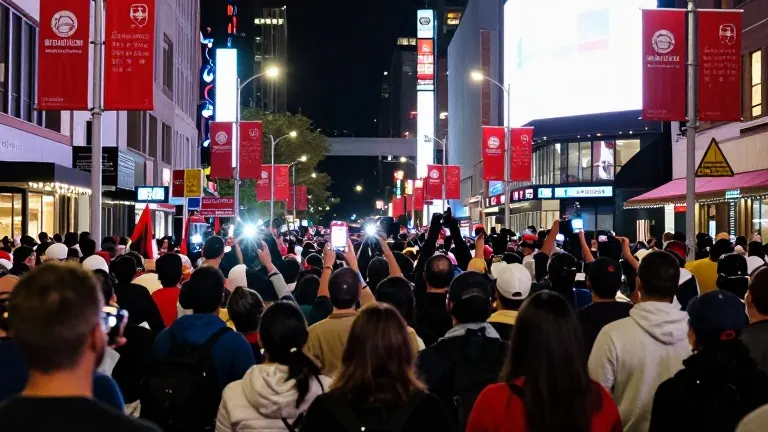
Luiz Inácio Lula da Silva won a fourth term as president of Brazil on Sunday, defeating far-right challenger Flávio Bolsonaro in a runoff. With nearly 99% of ballots counted, Lula secured 51.75% of the vote compared to 48.25% for Bolsonaro. The 45-year-old Bolsonaro finished 4.3 million votes behind his opponent.
The victory represents a statistical anomaly in Brazilian politics. Since the return to democracy in the 1980s, no candidate who finished second in the first round has won the subsequent runoff. Lula trailed Bolsonaro by 2.2 million votes in the early October first round. He reversed that gap to claim the presidency.
Turnout shifts drove the swing. The first round recorded a record abstention rate of 21.08%, a figure that disproportionately hurt Lula because his voters often live farther from polling stations. Abstention dropped to 19.21% in the runoff, closing the distance between the two camps. Lula’s allies had identified this metric as their primary path to victory.
The result ends a period of uncertainty for progressive voters who viewed the initial deficit as a potential career ending blow. Reginaldo Lopes, a key ally, described the confirmation as an "incredible" moment. He stated that Brazil was sending a message to the world about the extreme right and would "reorganize the democratic forces."
The outcome complicates the political positioning of the Bolsonaro family. Jair Bolsonaro, the father of the challenger, is currently serving a 27-year sentence for plotting a coup. He had hoped to secure release and a government role if his son won. Jair Bolsonaro lives under house arrest in Brasília, where his son observed the count. The family met the confirmation of Lula’s win with anger and bewilderment.
The win also impacts the strategy of US President Donald Trump, who had expected Brazil to join a bloc of pro-Trump leaders in Latin America. This group includes Abelardo de la Espriella in Colombia, Daniel Noboa in Ecuador, José Antonio Kast in Chile, and Javier Milei in Argentina. Lula’s victory disrupts that regional alignment.
Voters expressed frustration over an alleged attempt by pro-Bolsonaro politicians to disrupt voting by sabotaging public transport in Lula-leaning areas. Lucas Lopes, 32, in São Paulo, called the effort "another coup attempt." The disruption failed to change the outcome. Caio Marques, a 40-year-old photographer from Franca, noted that the left had woken up for the second round after failing in the first.
Source: The Guardian