Secondhand Clothing Sales Grow as Americans Cut Costs
The global resale market is projected to reach $393 billion by 2030, driven by high inflation and tariffs that have raised the price of new imported goods.
By Alessia Diallo ·
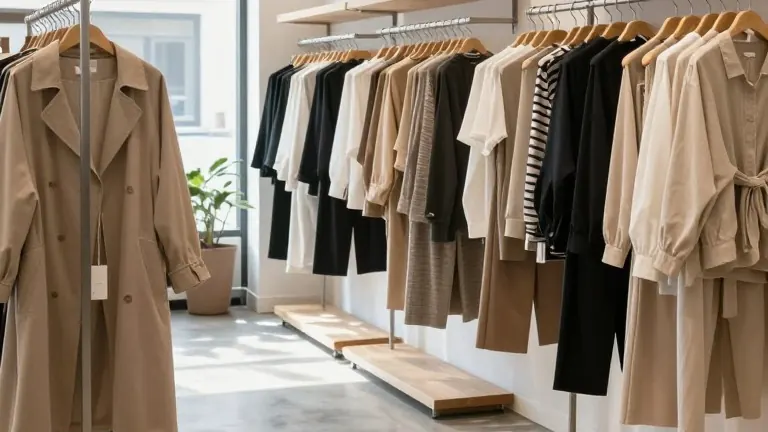
Americans are buying more used clothing, shoes, and accessories as a way to manage household budgets. Data from ThredUp, an online resale platform, indicates that the secondhand shopping market is expanding at twice the rate of traditional retail. The global market for these goods is expected to reach $393 billion by 2030. In 2025, 59% of U.S. residents purchased secondhand items, a figure that represents a 7% increase from 2022 levels.
The growth of this sector has become economically measurable. The U.S. Bureau of Labor Statistics added secondhand shopping purchases to its Consumer Price Index in early 2025. This index tracks price changes to measure inflation and deflation. Taylor Bowley, an economist at Bank of America Institute, described the shift as more than a passing trend. She said the market is carving out its own niche within the U.S. economy.
High energy prices, inflation, and tariffs have driven consumers toward resale. Alon Rotem, chief strategy officer at ThredUp, noted that tariffs made imported clothing more expensive than domestic options. Stephanie E. Raible, an associate professor at the University of Delaware, explained that tariffs apply to goods entering from other countries. Secondhand items typically move between households within the same state or region, so they are not subject to these import duties.
New fast fashion is also becoming less affordable. Raible noted that most fast fashion is imported from countries like China, making it subject to tariffs. The quality of these goods has not improved, which further encourages shoppers to look at the secondhand market. Consumers are using resale platforms to find items that fit within their budgets.
Many shoppers are also selling their own clothes to generate extra income. Platforms like Poshmark, ThredUp, and Depop rely on inventory provided by individual sellers. Bowley reported that the number of Bank of America customers selling secondhand clothing rose by 16%. She described this as a strong growth rate. People are using these sales to create a second income stream while decluttering their homes.
Traditional retailers are adapting to the demand for used goods. Brands such as Levi's, Lululemon, and Patagonia now include secondhand options in their online stores. Raible said these companies are developing new strategies to meet customer demand for savings and environmental sustainability. Shoppers can now find resold items embedded directly in the e-commerce strategies of major brands.
Environmental concerns also play a role in consumer choices. Rotem stated that the fashion industry is the second largest polluting industry in the world. More than 80% of clothes that people no longer wear end up in the trash. Raible noted that Gen Z and millennials, who are often more environmentally conscious, are helping to drive the popularity of secondhand shopping. However, Rotem said that price and product quality remain the primary reasons people choose resale, with sustainability as a secondary benefit.
The market shows no signs of slowing down. Rotem said resale is growing four times faster than traditional retail. He noted that this is the 14th year ThredUp has published its resale report. In every year of the study, the market size and the number of participants have increased.
Source: HuffPost
More Business · Rip-Off Report · Report a business · Got a Story?