Voters Rank Security Above Global Image Ahead of Tuesday Ballot
Polls show a record 67% unfavorable global view of Israel, yet experts say domestic security remains the decisive factor in the upcoming election.
By Elena Menon ·
Israeli voters are set to cast ballots on Oct. 27, and the campaign is dominated by the question of national security. Despite a surge in international criticism and a sharp drop in Israel's global standing, the issue of public image is not driving the vote. The focus remains on the military and the aftermath of the Oct. 7, 2023, Hamas-led attack.
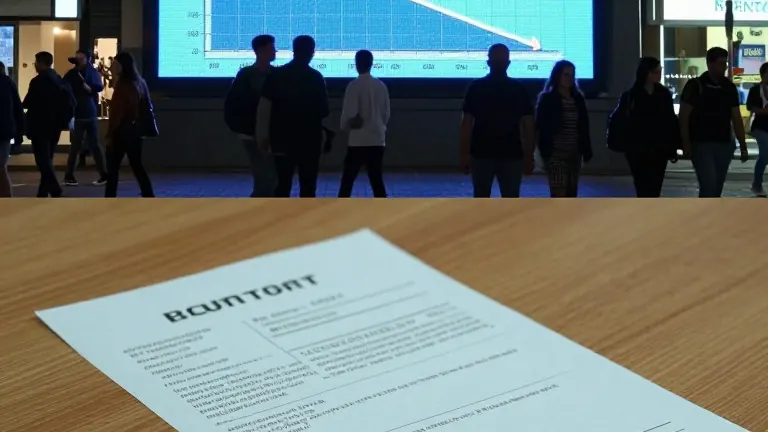
A Pew poll conducted between February and May 2026 found that 67% of adults across 36 countries hold an unfavorable view of Israel. This statistic represents a historic low in global perception. The data points to a growing diplomatic challenge for the state, which faces increasing hostility from foreign governments and public opinion.
The deterioration in Israel's image is matched by specific incidents of harassment abroad. In July, Israeli tourists in Montenegro were confronted by locals who asked if they were taking a break from genocide. In Greece, a restaurant reportedly refused service to an Israeli woman. In Thailand, a mother and daughter were allegedly beaten after identifying themselves as Israeli. In California, a couple checking into a hotel was called baby killers.
Diplomatic relations have also strained. World leaders are describing Israel's military action in Gaza as disproportionate. Some allies are pulling back or imposing sanctions due to settler violence in the West Bank and government policy. These developments have created a tense atmosphere for Israeli policymakers.
Yaakov Katz, a senior fellow at the Jewish People Policy Institute, noted that many Israelis view the diplomatic decline as a problem beyond their immediate control. He explained that voters often accept the argument that the world is against Israel regardless of its actions. "People accept that argument, and to a large extent, they don't push back on it," Katz said. He added that many believe antisemitism would rise even if the death toll in Gaza were lower, suggesting that the number of casualties, whether 70,000 or 10,000, does not change the global narrative for many observers.
Ofir Dayan, a senior fellow at the Institute for National Security Studies at Tel Aviv University, agreed that Israelis are aware of the external situation. However, she argued that three years of war have made security the primary concern. "Israeli voters are very much one-issue voters, and the issue in this election is security," Dayan stated. She noted that the proximity to Oct. 7 prevents a complete shift in voting patterns based on diplomatic standings.
Peter Lerner, a former IDF spokesman, identified two main drivers for voters: the choice between Benjamin Netanyahu and his opponents, and the ideological divide between the left and the right. He said that international standing is secondary to these factors. "You just don't see very many talking about it and when they do talk about it, it is secondary to everything else," Lerner observed.
Political parties are largely silent on public diplomacy strategies. Of the dozen or so parties expected to win Knesset seats, only a few have addressed the issue. The B'Yachad Party, led by former prime ministers Naftali Bennett and Yair Lapid, proposes elevating the status of Diaspora Jewry by allowing a non-voting observer in the parliament. The right-wing Amcha Yisrael party, led by former Brig. Gen. Ofer Winter, has listed two candidates who are prominent in public diplomacy activism.
Eylon Levy, a former government spokesman, suggested that the debate is less about image and more about managing relations to achieve national interests. He described the right-wing approach as making Israel look tough and the left-wing approach as assuming normalcy will return if Israel behaves more conventionally. Levy concluded that while a new government might buy some goodwill from allies, he did not expect a magical boost in international standing.
Source: The Jerusalem Post